




GOVERNANCE
Project governance and organization
A collaborative organization
Our project governance ensures that all decisions are made in a transparent and responsible manner. It is based on a steering committee that defines strategic directions, an operational team that ensures day-to-day implementation, and specialized committees to oversee technical and scientific aspects. Decisions are made collaboratively during regular meetings to ensure the smooth running of the project.
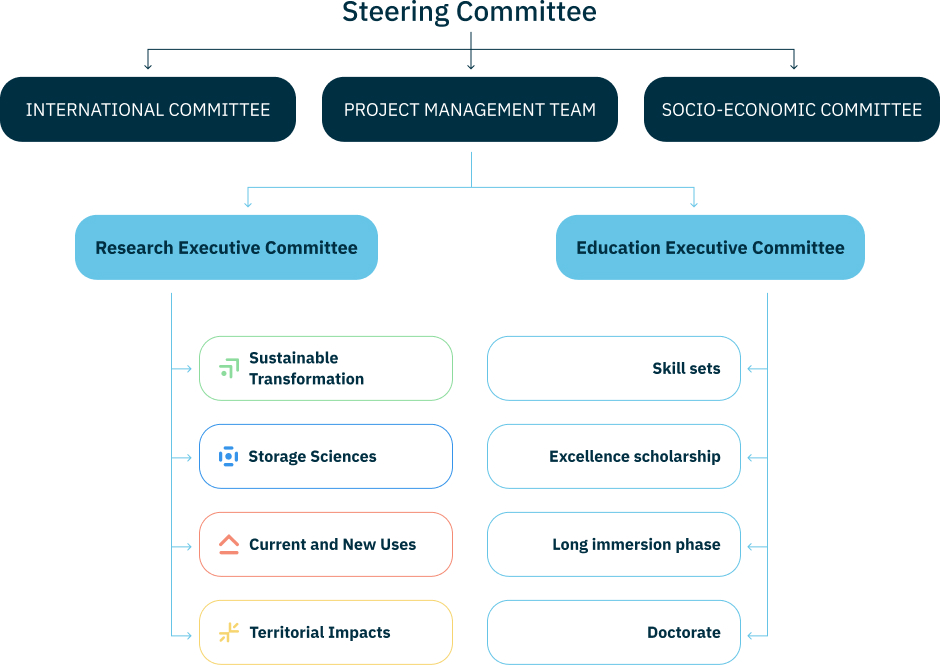

Steering Committee (COPIL)
Steering and guiding to ensure the success of the project
The COPIL e∙sense (Steering Committee) is the decision-making body responsible for supervising, guiding, and validating the major stages of the e∙sense program. It brings together all partners to ensure the consistency, performance, and smooth running of the project.
With this in mind, the COPIL defines and sets the strategic guidelines, ensuring that they are aligned with the identified issues. It validates major decisions and any changes necessary for the successful deployment of the program.
It also plays an operational support role, in particular by facilitating the mobilization of internal teams and helping to resolve any institutional, organizational, or technical obstacles that may arise during the project.
CNRS
The National Center for Scientific Research (CNRS) is a research organization in France that brings together all scientific disciplines. Its strength lies in having specialists in highly specialized fields who are able to understand their subject in depth. Interdisciplinarity consists of bringing these experts together around a common project.

Alliance A2U
The three universities that make up the A2U Alliance are multidisciplinary and multipolar. Present in 15 cities, they are located at the heart of their respective territories and contribute to the structuring and economic development of the region.

SATT Nord
SATT Nord is a technology transfer organization entrusted by institutions with the mission of promoting the research carried out by their researchers. It supports innovation projects by assuming the technological risk, protecting the results (intellectual property), and ensuring the transfer is contracted with companies or start-ups in the process of being created.

WeLOOP
WeLOOP is a consulting and innovation firm that helps public and private stakeholders understand and reduce their environmental impact. Its services include conducting life cycle assessments (LCA), critically evaluating raw materials, and providing support for eco-design initiatives. Driven by its values (passion, pioneering spirit, dynamism, and cooperation), WeLOOP puts these principles into practice on a daily basis to enable its clients and partners to place life cycle management at the heart of their strategies.

Verkor
Verkor has one ambition: to accelerate the industrial momentum of low-carbon battery production in France in order to serve the European market. With a team of international experts in the battery industry, it strives for manufacturing excellence through the optimization of proven technologies.
The project management team
The project management team acts as an intermediary between the strategic vision at the macro level and the operational implementation of the project. It acts as a link between the steering committee and the executive committees responsible for the actions that have been decided upon upstream.
It also plays a supporting and active role by participating in the actions carried out and coordinating collaboration between the various stakeholders and working groups involved in the project.
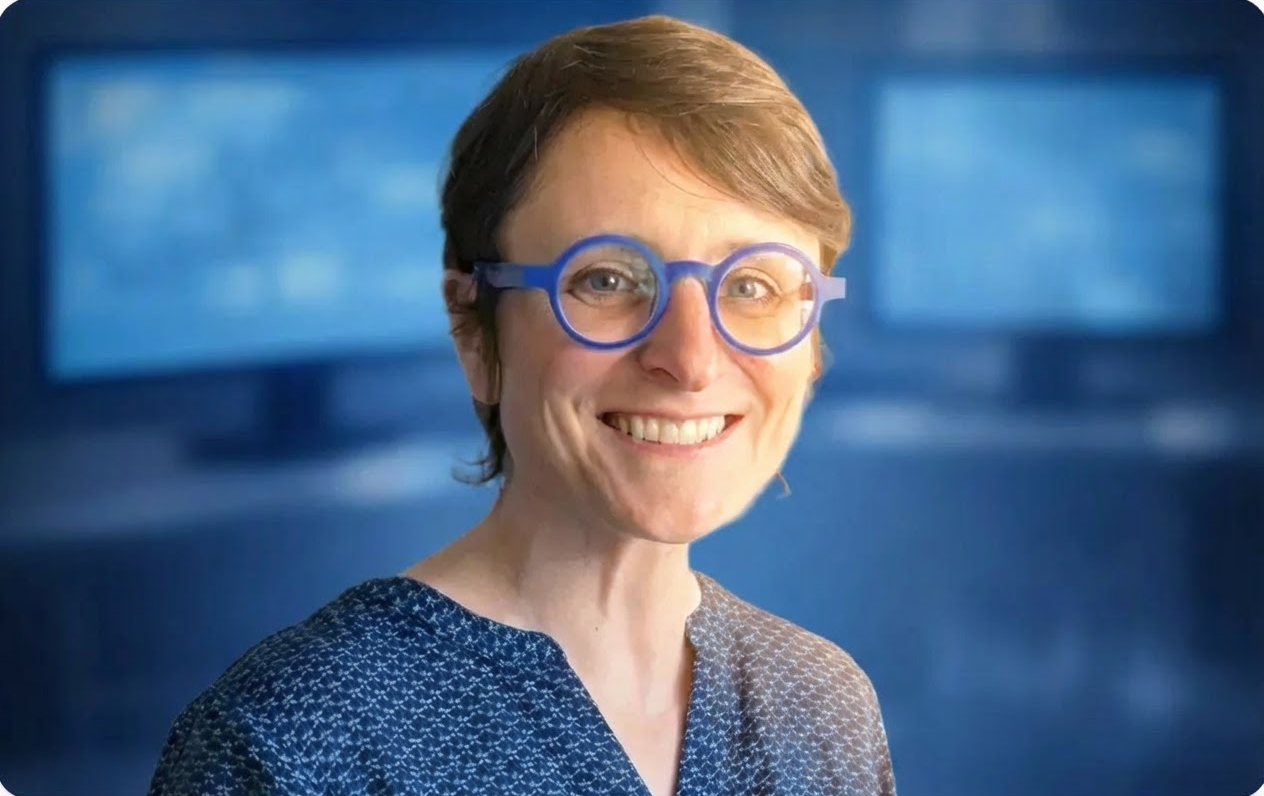
Emmanuelle Etienne
Director of Research
Emmanuelle ETIENNE is the Director of the Research Department, the administrative service for research at UPJV, responsible for managing research. She possesses significant expertise in project engineering, which she makes available to UPJV researchers. Emmanuelle ETIENNE brings to E-SENSE her experience in project management, her knowledge of the various stakeholders within the university and the local area, and her understanding of the national context and challenges inherent to public research in France.
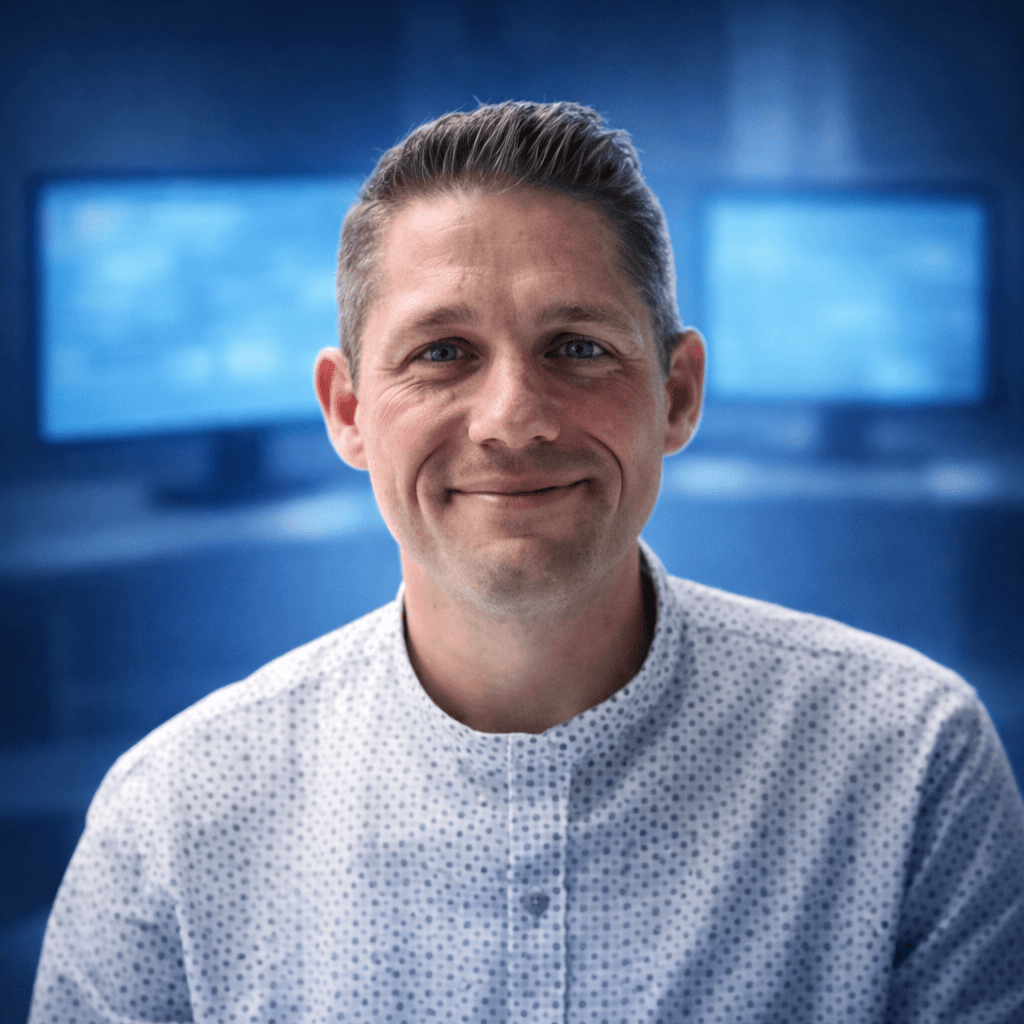
Matthieu Becuwe
Scientific Coordinator
Matthieu Becuwe is a professor of chemistry at the University of Picardie Jules Verne (UPJV) and affiliated with the LRCS (Laboratory of Reactivity and Solid State Chemistry, UMR CNRS 7314), where he leads a research program on organic and hybrid materials for electrochemical energy storage with a focus on environmental sustainability.

Juan Pablo Vergara Oll
Instructional Designer
Juan Pablo Vergara Oll is the instructional designer for the e∙sense project. He contributes to the project, mainly in areas related to learning, such as collaborating with experts to design e∙sense skill sets.

Alexis Danzel d’Aumont
Project Manager
Alexis Danzel d'Aumont is the manager of the e∙sense project. He oversees and coordinates the project from its initial planning phase through to its rollout, working closely with all stakeholders involved.
Executive Committee Research
les laboratoires de l’Alliance A2U impliqués…
Sustainable Transformation
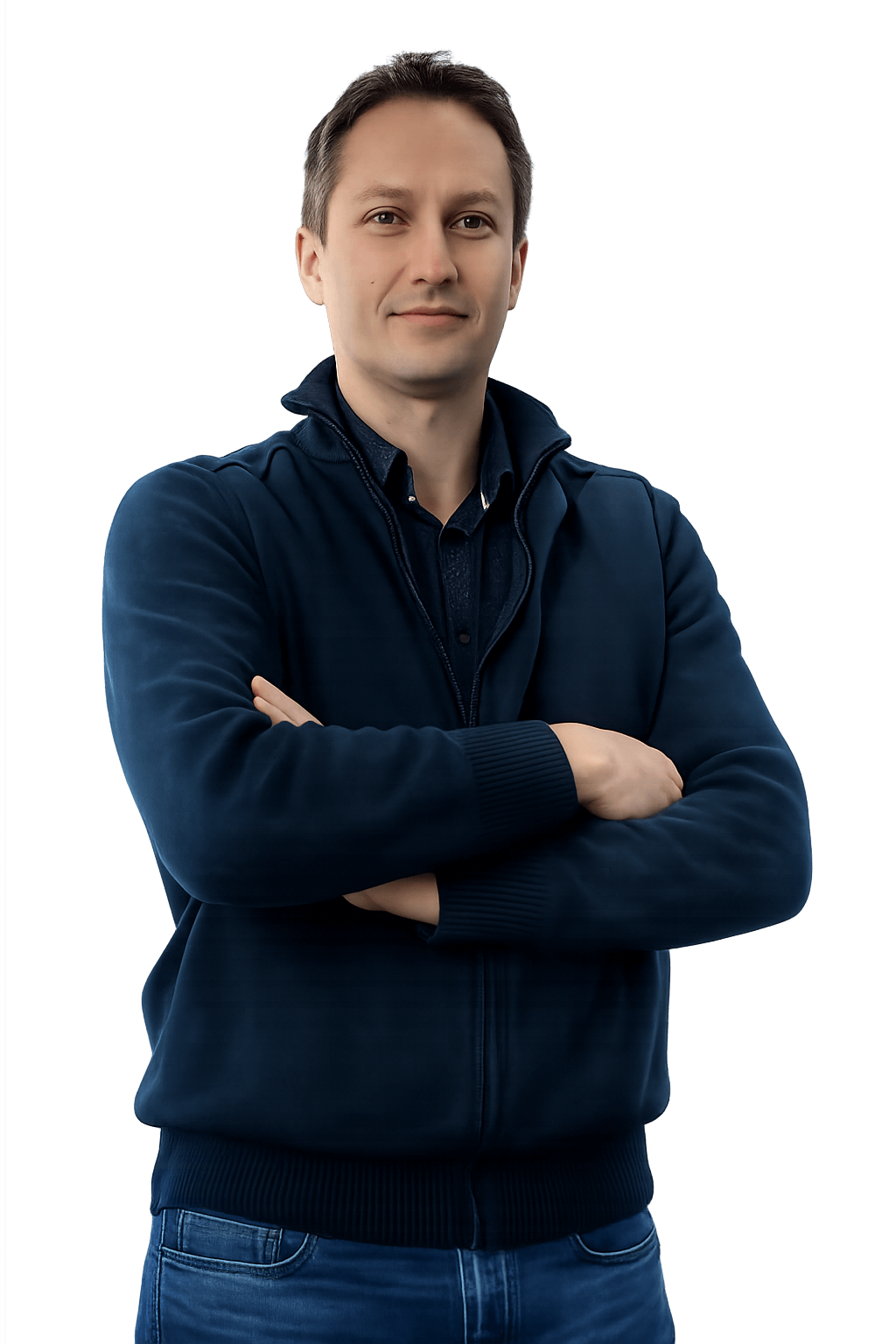
Frédéric Sauvage
Frédéric Sauvage, Director of Research at the CNRS, works on the phenomena of rapid or slow charge transfer induced by light absorption. The common theme of his work is to divert these photo-induced free charges so that they can be used for solar energy conversion systems (e.g., photovoltaics or photoelectrolysis) or for solar energy storage (e.g., coupled batteries).
View site (opens in a new window)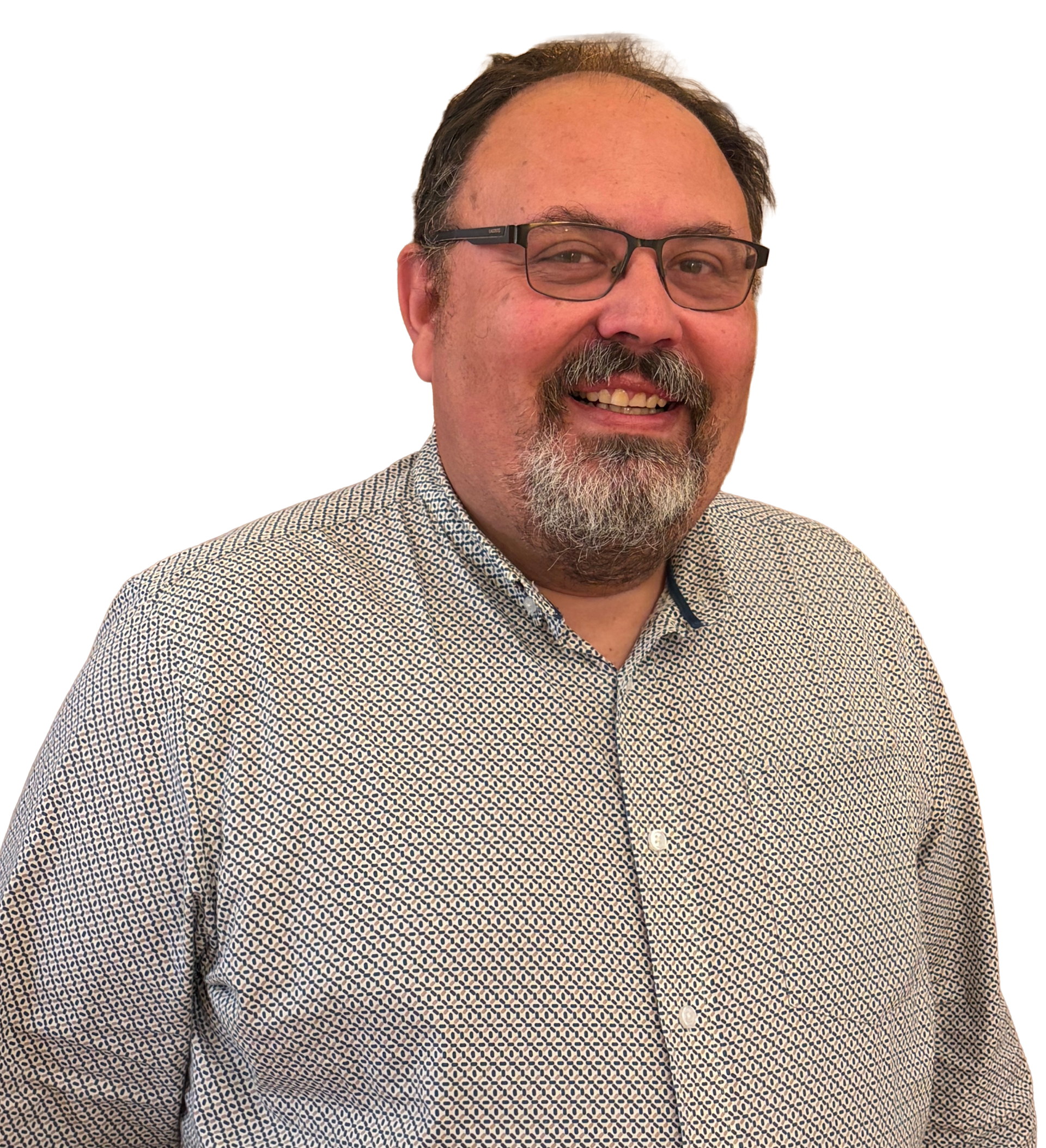
Sébastien Saitzek
Sebastien Saitzek was born in August 9th, 1976 in Arras (Région Hauts-de-France / 62). In march 2005, he obtained his PhD degree in Materials Science at the Toulon University under the supervision of Prof. J. R. Gavarri and Prof. Ch. Leroux. His thesis was on the catalytic study of CeO2/CuOx nanocomposite and the development of CeO2/VO2 thermochromic bilayers for optical applications in the infrared range. In september 2006, he was recruited as Associate Professor at Artois University and joined the “Laboratoire de Physco-Chimie des Interfaces et Applications (LPCIA)”. In 2008, he integrates the thin film and nanomaterials team (CMNM) of Catalysis and Solid Chemistry Unit (UCCS UMR CNRS 8181). In december 2011, he received his HDR (Habilitation) at the Artois University under the supervision of Prof. R. Desfeux.
View site (opens in a new window)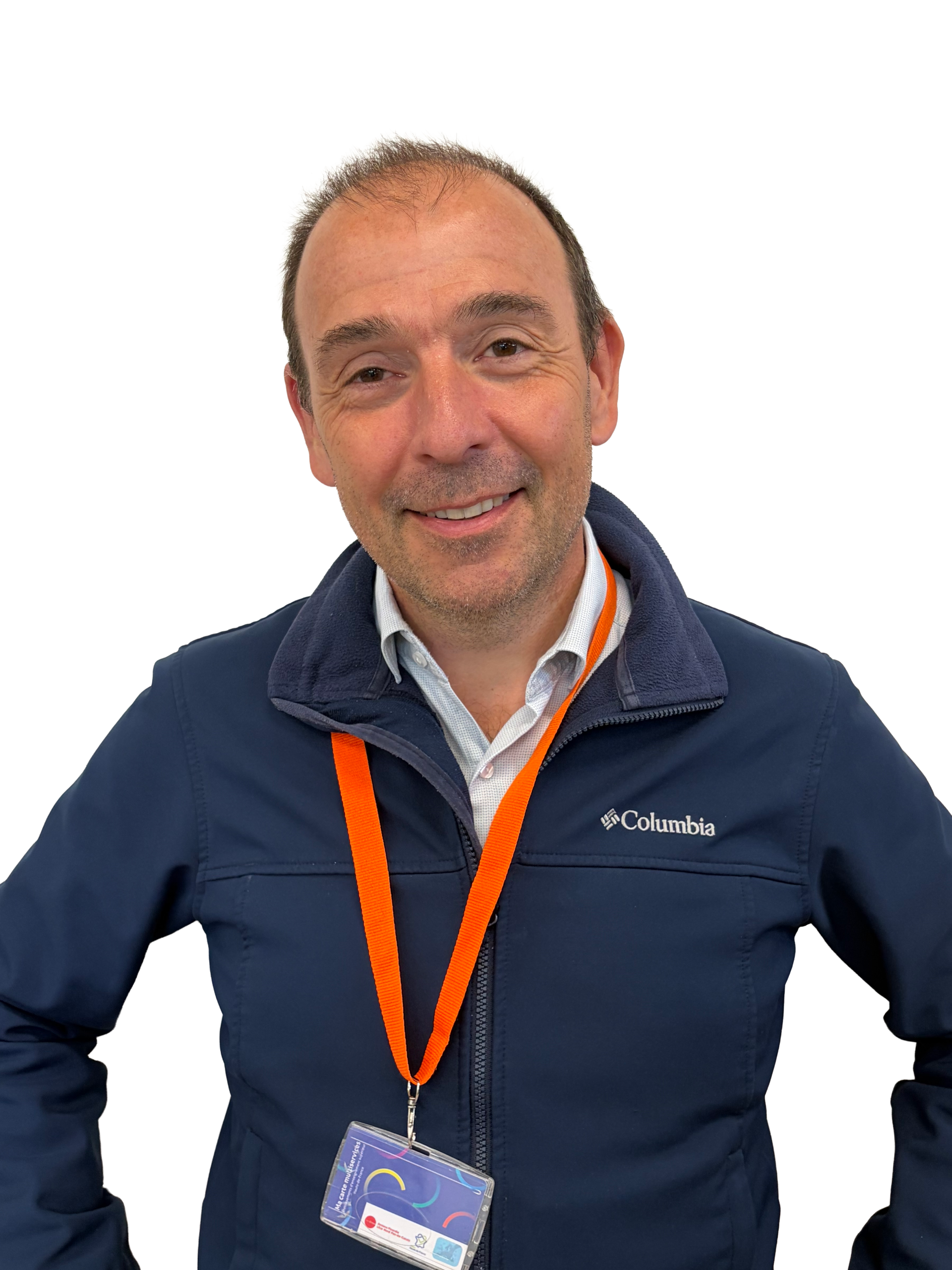
Sébastien Royer
View site (opens in a new window)
Carine Davoisne
View site (opens in a new window)
Gérard Leroy
Adlane Sayede
View site (opens in a new window)
Geoffrey Promis
Professor at University of Picardie Jules Verne, Geoffrey Promis is the Director of the Innovative Technologies Laboratory (LTI – UR 3899), an interdisciplinary unit in engineering and information and communication sciences (SPI/STIC) with around 100 members. He oversees the laboratory’s scientific strategy, budget, and partnerships, while fostering a collaborative dynamic focused on the energy transition, sustainable construction, and high-impact societal innovation.
View site (opens in a new window)
Mohammad Kassem
View site (opens in a new window)
Raphaël Romary
Raphaël Romary has been a Professor of Electrical Engineering at the University of Artois since 2010. He has been Director of the “Laboratory of Electrotechnical Systems and Environment” (LSEE) since April 2024. His research focuses on the analytical modeling of electrical machines, with applications in the fields of noise and vibration, electromagnetic emissions, and diagnostics. In these areas, he has co-authored 60 articles in international journals and around one hundred papers in international conference proceedings. Over the course of his career, he has supervised or co-supervised 16 PhD theses, including four international joint supervisions. He has been involved in various CPER programs for over twenty years and has managed around twenty industrial contracts. He has also served on the scientific committees of numerous national and international conferences in Electrical Engineering (JCGE, ICEM, SMM, EPNC, SIELMEN, etc.).
View site (opens in a new window)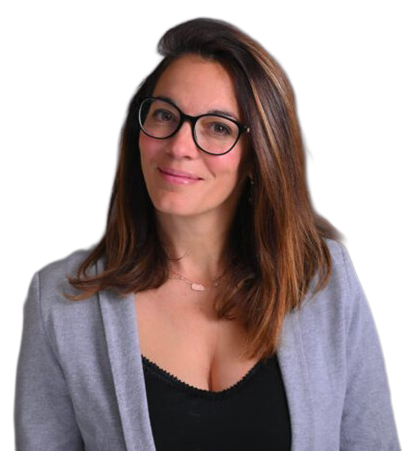
Vanessa Casadella
Vanessa Casadella is a professor of economics at the University of Picardy Jules Verne (UPJV), a constituent part of the University Institute of Technology (IUT) of Oise. She directs a Master 1 program in Management and International Business and co-directs the LEFMI laboratory. Her research focuses on innovation systems and networks at various scales, with a focus on economic development and sustainable transition.
View site (opens in a new window)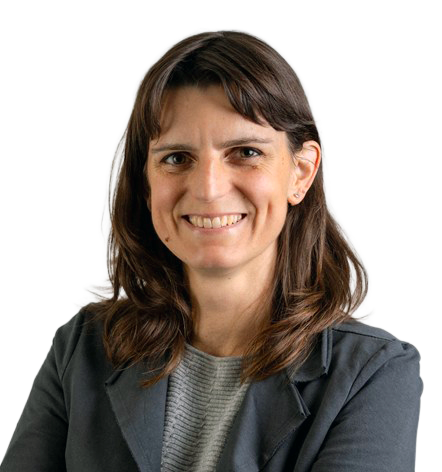
Iratxe Calvo-Mendieta
Iratxe Calvo-Mendieta is an economist, senior lecturer, and Vice-President for Sustainable Development and Social and Environmental Responsibility at the University of the Littoral Opal Coast (ULCO), a member of the Territories, Cities, Environment & Society Laboratory (TVES, UR 4477). She works on environmental and natural resource management issues (water management, conflicts of use, etc.). Her research falls within the field of ecological economics and draws on the institutional dimension of economic analysis.
View site (opens in a new window)
Davy Castel
Davy Castel is a lecturer and researcher in social, work, and organizational psychology at the Research Center in Psychology: Cognition, Psyche, Organizations. His research focuses on the psychological, social, and organizational changes brought about, in particular, by the ecological and energy transition, primarily using systemic and integrative approaches.
View site (opens in a new window)