



The 4 themes
The e.sense project is structured around four complementary themes, designed to address the energy challenges of tomorrow.
Sustainable Transformation
Rethinking energy production to build a sustainable future.
To meet the challenges of local energy autonomy and decentralized energy generation, it is essential to offer innovative, low-impact solutions to support large-scale production. The sustainable transformation theme thus draws on the excellence and expertise of UPJV’s partners in the A2U alliance. Research activities are dedicated to energy harvesting by integrating:
Photovoltaics and piezoelectricity
for harvesting light and vibrations
Photocatalysis and wind technologies
for the local production of green hydrogen and electricity
In e∙sense, these activities are at the center of a triptych between performance/reliability, innovation in materials/sustainability and improvement of social acceptance to make the most of exploitable innovations for the benefit of society.
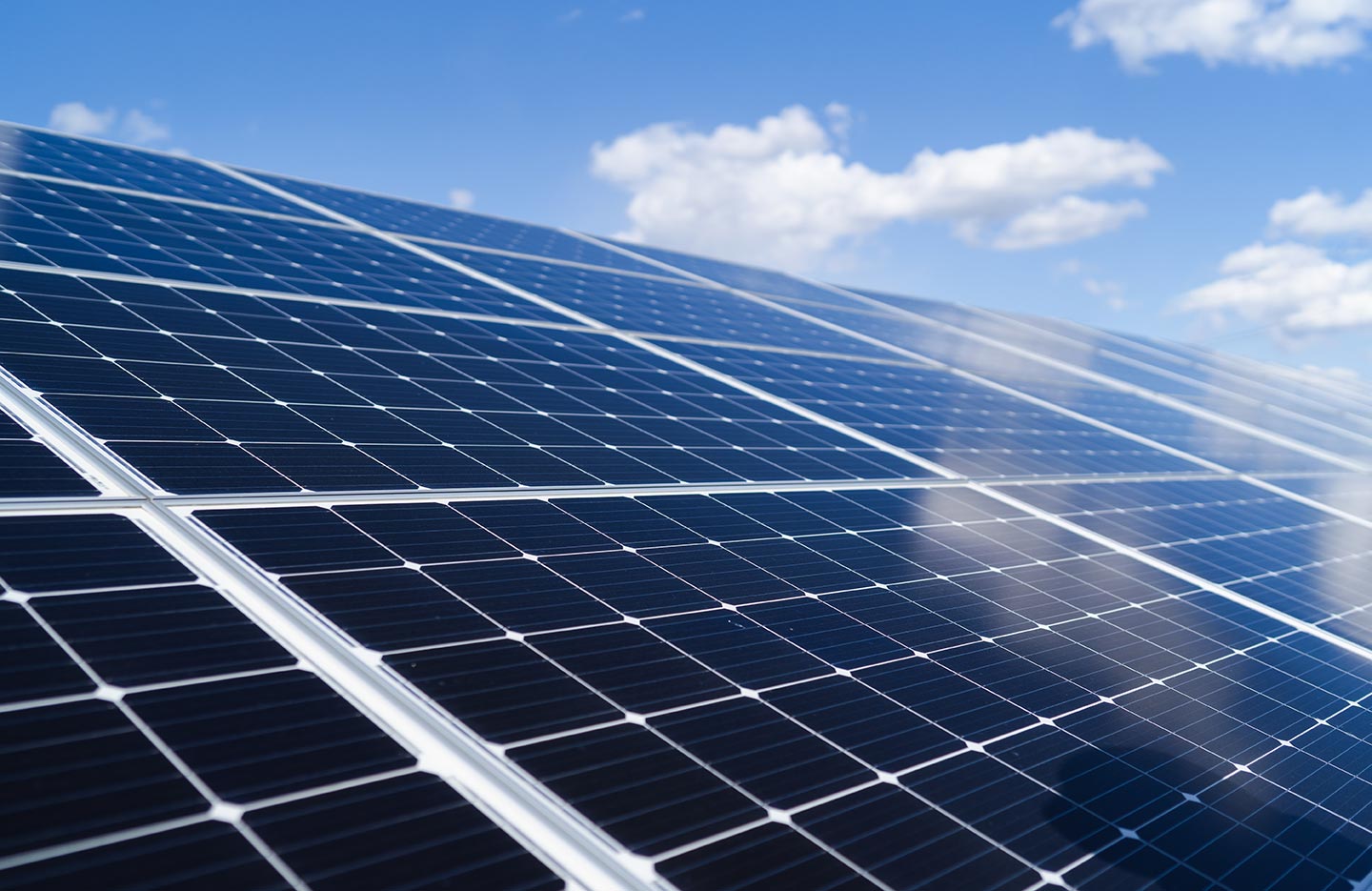
90% of current solar energy is based on crystalline silicon (largely produced in Asia). However, successfully integrating PV into our energy mix requires addressing the challenge of silicon availability. New generations of thin-film PV are opening up new possibilities, complementing silicon in rooftop PV systems and solar farms.
This aspect is addressed in e.sense by:
The design of new photo-absorbers
environmentally friendly, innovative charge carrier extraction layers and their integration into optimized thin-film PV devices
Material design
and new PV concepts on dye-sensitized solar cells and n-p heterojunctions (perovskite solar cells)
Harvesting Vibrational Energy Using Piezoelectrics
Vibration sources, such as wind waves and human movement, have the potential to provide mechanical energy that can be harnessed to power small systems when assisted by a suitable battery (wireless sensors, printed micro-batteries, etc.). Piezoelectric generators, particularly those based on inorganic oxides, represent a promising avenue for capturing energy from the environment and are well-suited for integration into electronic devices. The A2U Alliance has a strong knowledge base in this field. Research into efficient, lead-free piezoelectric sensors that comply with REACH regulations will be the primary focus of e∙sense.
Photocatalysis
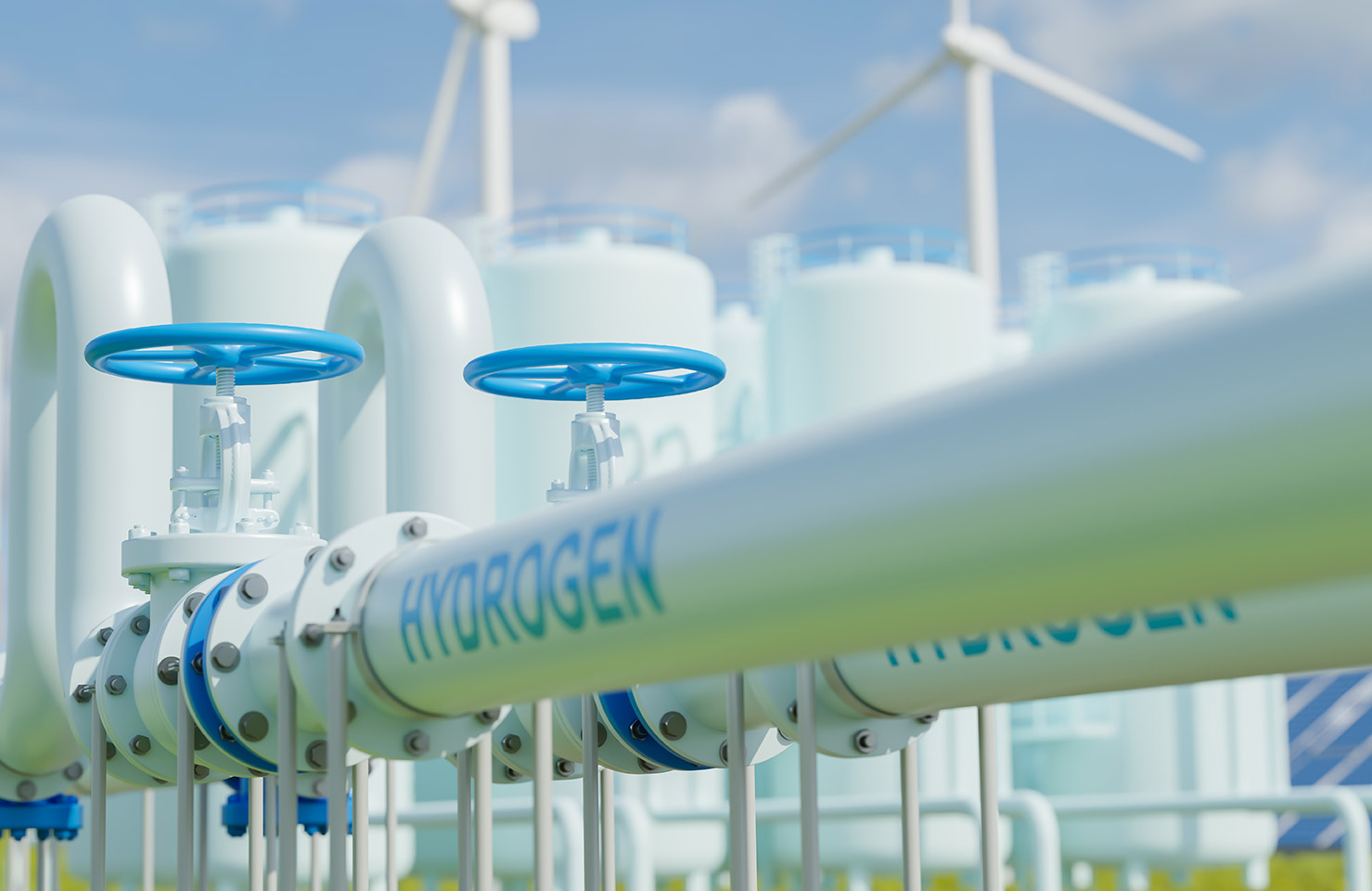
Hydrogen holds great promise as a potential replacement for fossil fuels. The most common approach to hydrogen production uses thermochemical processes, which combine heat and chemical reactions to release hydrogen from fossil fuel raw materials. However, from the perspective of sustainability and decarbonization, it is strategically important to explore alternative methods for producing molecular hydrogen at low cost and in a sustainable manner. In both cases, development will rely on nanostructured (photo)catalysts and/or their combination with PV devices to generate a sufficiently high bias voltage for hydrogen release at high rates and low cost, based on recent results.
To achieve this, the project focuses on this aspect through axes such as:
The splitting of the water
(formation of H2 and O2 from water)
The use of renewable biomass
(carbohydrates)
Wind Power
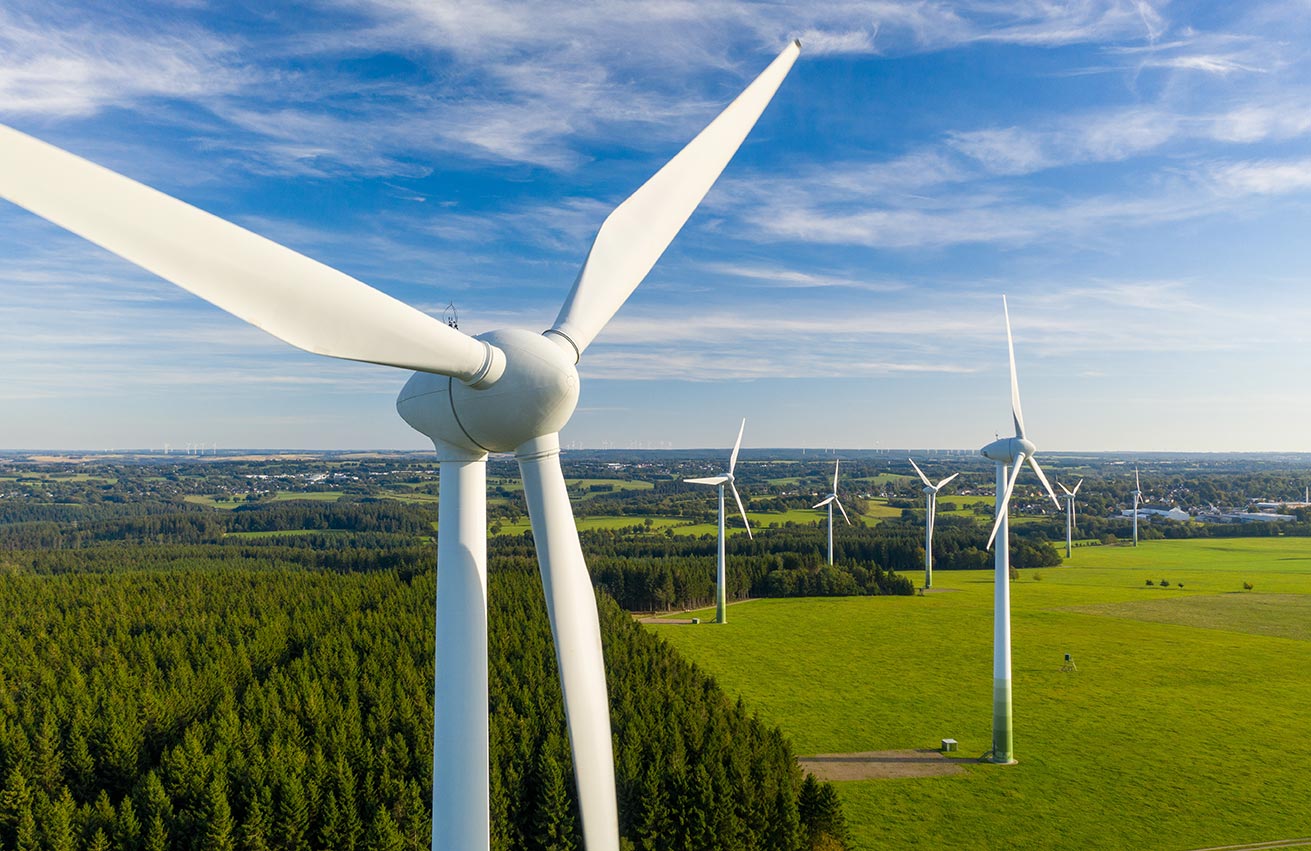
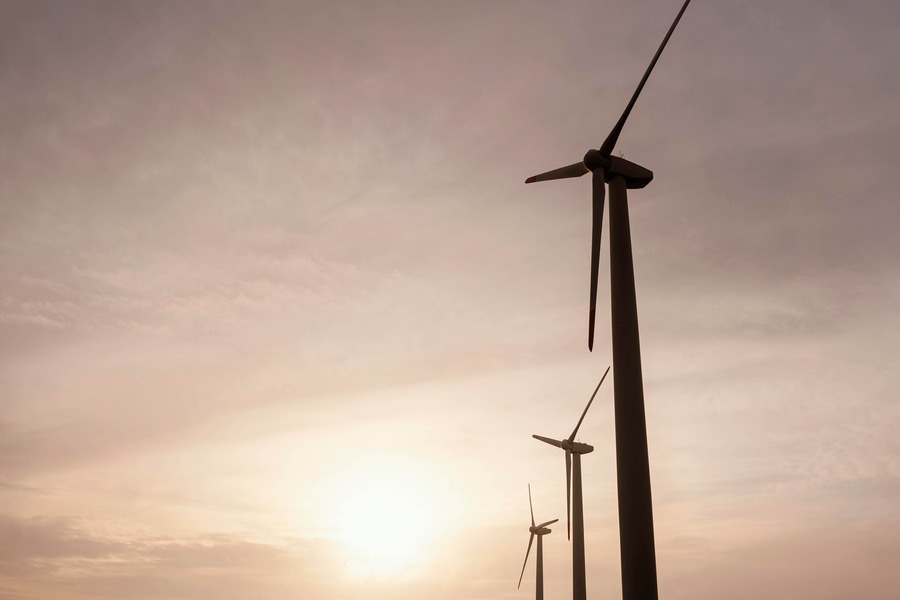
The Hauts-de-France region has the highest installed wind power capacity in France, which is expected to grow over the next decade. Wind turbines are often installed in remote locations where they are constantly subjected to harsh weather conditions and varying aerodynamic, gravitational, centrifugal, and gyroscopic loads, reducing the overall system reliability and making it prone to frequent faults and electrical system failures. Therefore, the integration of appropriately sized wind turbines at the regional level requires improving their reliability. In the e∙sense project, this is addressed through a synergistic combination of expertise in induction machines and electromagnetic devices between two partners, applied along two development lines to the electrical generator:
Design of innovative and tolerant generators and generators using new insulation materials
(nano-filled polymers with dielectric materials), capable of withstanding harsh environments and high electrical, mechanical and thermal stresses.
Improving the environmental footprint of wind turbines
by integrating the principle of d'eco-design' with the substitution of critical raw materials (fewer rare earth elements or non-critical elements) and improvement of repairability, reuse of materials and end-of-life management through new design approaches, while meeting the challenge of high energy conversion efficiency.
Energy Storage Science
Optimizing energy storage to meet the growing needs of our societies.
With the increasing electrification of our daily lives and the need to maximize the use of the energy we produce and consume, the demand for efficient and suitable storage devices is very high. As a result, the number of devices and the amount of resources required to manufacture them will increase dramatically, potentially leading to demand pressures and supply and cost issues. To overcome this situation, we must start rethinking and transforming devices now to expand our use of storage systems. To achieve this, we are currently combining the skills and expertise of our partners and researchers at A2U.
to make them more energy-efficient

Electrochemical Storage
To date, battery components are primarily composed of metallic elements extracted from non-renewable, sometimes toxic, mineral sources, which have a significant impact in terms of energy and environmental costs, both for production and recycling. Furthermore, the uneven geographical distribution of mineral resources and their limited quantity cause significant price fluctuations (Li, Ni, Co, etc.), political tensions, and can lead to shortages. As a result, price volatility in the battery sector is likely to persist in the near future. It is therefore essential to anticipate these situations:
By exploring new reactivities and chemistries and proposing alternative solutions
to replace important materials obtained from the most critical raw materials (or which will become so if the quantity required increases) while preserving performance and avoiding further expanding our environmental footprint.
By developing new manufacturing processes
(dry processing, solvent-free electrode, low-energy material synthesis) for current technologies. Create 3D printing techniques to adjust the size and shape of the assembly, for example.
By developing intuitive and simple tools
to understand and predict the reactivity of battery components and to estimate their environmental impact, energy consumption and the impact of costs from raw material to recycling of the storage system.
Hydrogen Storage
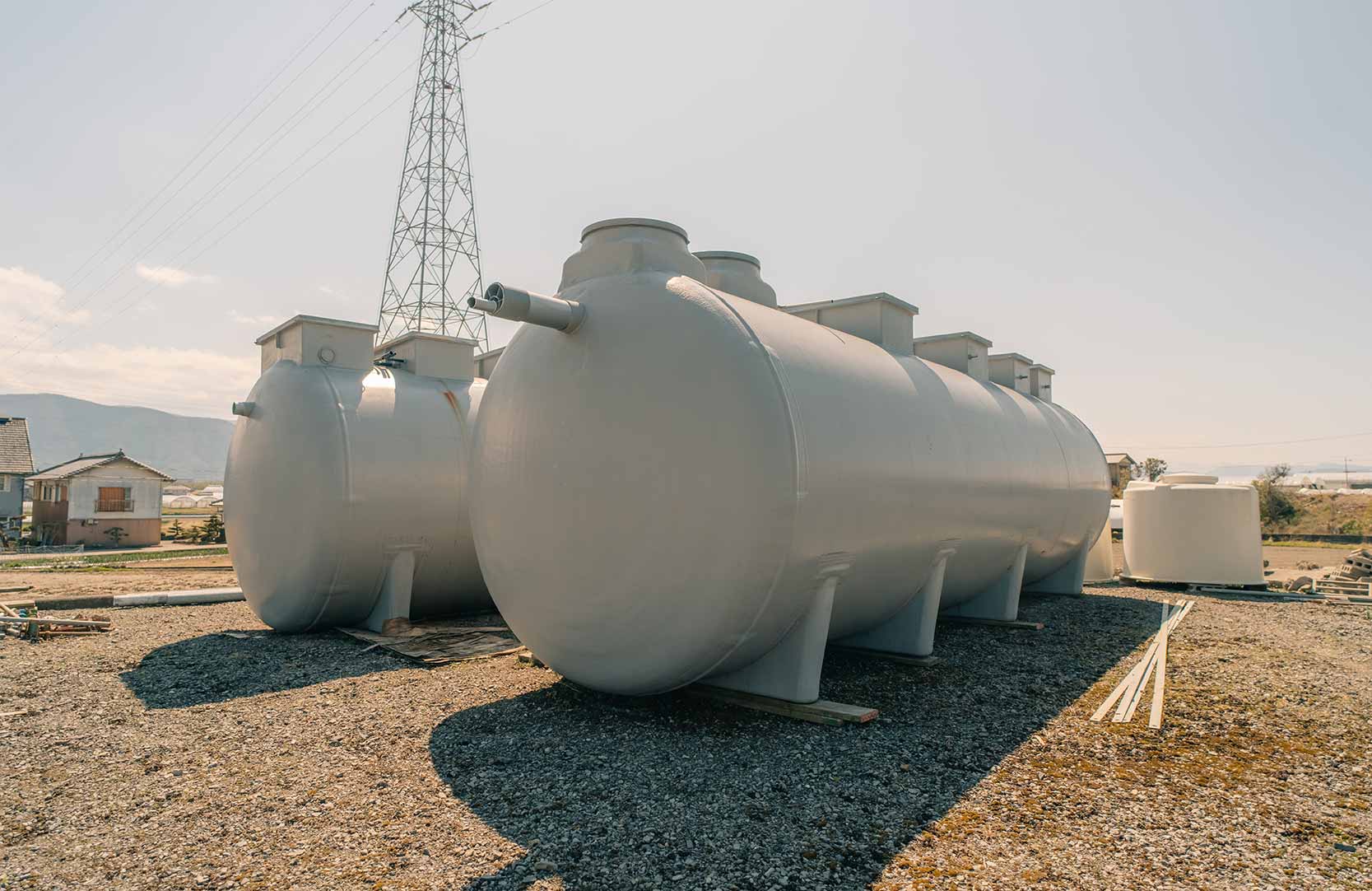
Solid-state hydrogen storage (i.e., through the formation of metal or complex hydrides) is a preferred method for applications where compactness and safety are crucial parameters and is particularly well-suited to local production (link with photocatalysis, WP1). This approach is also suitable for large-scale industrial storage (e.g., the Hauts-de-France initiative and the project to decarbonize our industries). However, these storage methods still suffer from drawbacks such as low gravity storage capacities, high operating temperatures, and poor reversibility. Therefore, following the PEPR H2 project, further research is needed to develop hydrides for use as reversible hydrogen storage materials under near-ambient conditions. The means of exploring this topic within E-SENSE include:
Use of original modeling and calculation methods
such as CALPHAD or Machine Learning (linked to the PIA MAIA, coordinated by the University of Artois) to explore many different compositions and guide the synthesis of new materials.
Discovery of new hydrogen storage materials
(based on abundant and inexpensive elements, bio-based polyols for example or nitrogen-based compounds) having a gravimetric storage capacity greater than 3% by weight at temperatures below 100°C and a volumetric storage capacity greater than 70 gH2/L (i.e. greater than compressed H2 at 700 bars or cryogenic H2 at 20 K).
Thermal Energy
In a context of energy conservation and rising energy costs, the recovery of waste heat (energy lost during energy conversion) is becoming critical. This approach is exemplified by the recovery of solar heat to warm water for our daily use, but it also has lesser-known applications such as improving the performance of photovoltaic systems, which lose efficiency when they heat up; preventing electronic components from overheating; avoiding exceeding battery temperature limits during charging; maintaining minimum equipment temperatures when not in use; and so on. At the heart of these systems are generally organic PCMs (phase change materials) such as paraffins, which are derived from petroleum chemistry. For environmental reasons, other types of PCMs, such as fatty acids (bio-based materials) or hydrated salts (inorganic PCMs), appear to be much more environmentally sound. However, these materials exhibit complex thermodynamic behaviors (supercooling, recalescence, multiple melting or solidification peaks). Latent energy storage allows for a higher energy density compared to sensible energy storage for the same volume, but this type of storage is not yet mature enough for large-scale use. The E.SENSE project and its partners aim to better understand the thermophysical properties of phase-change materials to comprehend their thermal behavior, which is crucial for designing a storage system for a specific application.
Current and New Uses
Combining Technology and Societal
Needs Structural transformations of our lifestyles are necessary to move towards energy and environmental sobriety in our consumption while maintaining quality services for users. The deployment of these measures will be gradual. Short- and medium-term actions could be considered to reduce our energy dependence by optimizing the various uses of energy: management (energy mix, trade-offs, storage, adaptability, forecasting), sizing, energy efficiency, consumer behavior, and the interconnection of different stakeholders. Scientific and technical responses are primarily social and political solutions, in the sense of redefining worldviews, the means to achieve them, and the social conditions necessary to succeed. Efficient energy use (coordination, forecasting, control) is therefore essential to meet our needs, address socio-economic challenges, and limit our energy costs and environmental emissions in order to achieve government objectives.

Artificial intelligence, energy mix, and energy efficiency for building performance Intelligent
control of heating and ventilation systems is a key concern in the shift towards zero-energy housing. The interactions between these systems and the building envelope represent a priority scientific and technical challenge: advances could lead to a reduction in building energy consumption. However, sustained efforts must be made to achieve energy efficiency by promoting a diversified energy mix and limiting the impact on the energy grid, while maintaining an adequate level of service. In addition to focusing on efficient building design, it seems necessary to limit building energy demand through self-consumption to reduce the load on the electrical grid, using a holistic approach that considers all other energy uses. It goes beyond the automated, or even intelligent, control of thermal equipment in buildings and aims towards the optimization of energy use, based on the technical specificities potentially brought about by technical developments in the act of constructing and operating buildings, on the diversity of energy sources and the availability of energy, and on the social acceptability of our changes in lifestyles.
The following research areas are being studied within the framework of the project:
Optimizing the energy performance of buildings and their energy efficiency
and more specifically the development of geo-sourced materials with low environmental impact and the interaction between the hygrothermal response of the building envelope and the centralized and intelligent management of thermal equipment
Ensure an adequate energy supply
thanks to the prediction of needs and production. In addition to these specific objectives, environmental impacts must be assessed in order to guide project owners towards cleaner solutions, following holistic multi-criteria analyses, in which users are made aware of these new, more environmentally friendly modes of consumption.
Promoting self-consumption in energy mixes
thanks to the prediction of needs and production. In addition to these specific objectives, environmental impacts must be assessed in order to guide project owners towards cleaner solutions, following holistic multi-criteria analyses, in which users are made aware of these new, more environmentally friendly modes of consumption.

Smart Territories and Sustainable Mobility
Mobility is undergoing an electric revolution: cars, scooters, and bicycles are all affected. Between 6 and 10 million four-wheeled electric vehicles are expected to be on the road in France by 2030. This represents millions of connections with a significant impact on the grid throughout the year. To ensure the grid remains reliable, electric vehicle charging infrastructure must anticipate power and energy needs, optimize load shedding in case of grid saturation, and implement intelligent load distribution. In this regard, and to contribute to the development of electric mobility, impact studies on the integration of electric mobility into an urban electricity distribution system are a priority, as is the implementation of a dynamic management and monitoring system for all electric vehicle charging infrastructure. Furthermore, the energy optimization of electromobility, in the broadest sense of the term, also involves optimizing the electric powertrain, from energy storage to its use by the electromechanical converter. The latter will need to use innovative magnetic and insulating materials, implemented in suitable topologies to achieve high energy efficiency and reliability objectives.
In addition to meeting the weight constraints inherent to embedded systems, the powertrain must have a controlled environmental footprint.
so, the E-SENSE project aims to:
Evaluate and analyze the impacts
(technical, economic and environmental aspects) of charging electric vehicles on the electricity grid
Developing innovative tools and solutions
adapted to electric mobility to promote optimized charging (electric vehicles, plug-in hybrid vehicles) according to network constraints
Evaluate adaptation
to the needs and acceptability of the new solutions by users
Optimizing the powertrain of electric vehicles
to make them more energy efficient
Territorial Impacts
Combining Technology and Societal
Needs In a cross-cutting approach to all other themes, it is essential to consider aspects related to our daily lives. The objective is to define indicators that will make it possible to reconcile technological advances with societal needs and to fully integrate the three pillars of the territorial impacts component into research projects.

The Economic Impact
A major aspect is the local adoption of these energy sources: when technologies are at the stage of commercial deployment, the obstacles may be primarily techno-economic in nature, such as industrial optimization, business models, etc. The objective is to measure the impact of consumption incentives through renewable energy support mechanisms or incentives for conversion to electric mobility (i.e., Gigafactories), which are poorly understood and not subject to financial evaluation. Thus, with regard to renewable energies in electricity production, in addition to barriers to entry for innovative technologies, it has been shown that these technologies present the disadvantages of capital-intensive units, but without economies of scale, and of production that is a priori less valued. They are also highly dependent on the institutional environment and therefore on regulatory and incentive mechanisms. It would be interesting to study in parallel:
How to break with the existing economic model
to guide these changes in energy production and consumption
How it will be influenced
through strong institutional and local dynamics, and how to propose new producer-customer relationships

Social Changes
The lifestyles of residents in a region that hosts the development of new technologies for energy production, storage, or use can be significantly impacted. The nature of these changes and how they are received are therefore essential subjects of study. For example, the replacement of internal combustion engine vehicles with electric cars is a current societal concern and is radically changing our travel habits (carpooling, etc.). Our main research areas on these issues are:
Identifying the factors
which hinder or, on the contrary, promote the adoption of these new technologies in the territories (through survey methodologies and/or panel interviews). What leads to the approval, mistrust, or rejection of energy production and/or storage sites?
The study of the methods and bodies for consultation
(observation sessions, workshops), which lead to the use of technologies better suited to their territory. The choice of actors (residents, NGOs, experts, public authorities, etc.), their mode of operation (public consultation, open forum, local citizens' conference, shared workshops, etc.), their objectives (advisory or decision-making, etc.) and their timing in relation to the project (consultation very early vs. during the project, etc.) will be studied.
Environmental Footprint and Geographic Integration
The composition of electronic devices is a major challenge: they are made of metallic materials derived from non-renewable resources and extracted using methods that are harmful to the environment. Although the need to eco-design nearly everything is widely accepted, the quantities recovered through recycling will not be able to meet demand, due to the massive electrification of our daily lives (which raises questions about product lifespans, financial interests, and planned obsolescence).
Furthermore, global disparities in the distribution of mineral resources and their limited quantities lead to significant cost fluctuations, political tensions, and potential shortages.
Consequently, the financial cost and environmental footprint will not decrease in the future.
It is therefore essential to anticipate these situations by proposing alternative solutions to replace materials derived from the most critical raw materials, while maintaining performance and avoiding an increase in our environmental footprint.
As part of the project, life cycle assessments (LCAs) will be conducted at various scales (material, product, process, and region) to address environmental, social, and economic challenges. LCA is a multi-step, multi-criteria methodology: it takes into account all stages of a product’s life cycle.
These studies will be used as a decision-making tool for strategic research direction and will provide a solid foundation for training and capacity building in sustainability. Beyond the net environmental impact of the systems, the integration of renewable energy production systems or the creation of new industrial sites alters the landscape of our territories (link with IFSEA). We will study the impact on biodiversity (genetic/species/ecosystem scales), their integration into landscapes (which we have already done, for example, for wind farms), the landscape dynamics induced by their development, how these systems are perceived by local residents, and the resulting conflicts.
